Parker Vogel · 15 September 2026
Mapping Seasonal Fluctuations in Coastal Business Visibility Through Adaptive Content Layering
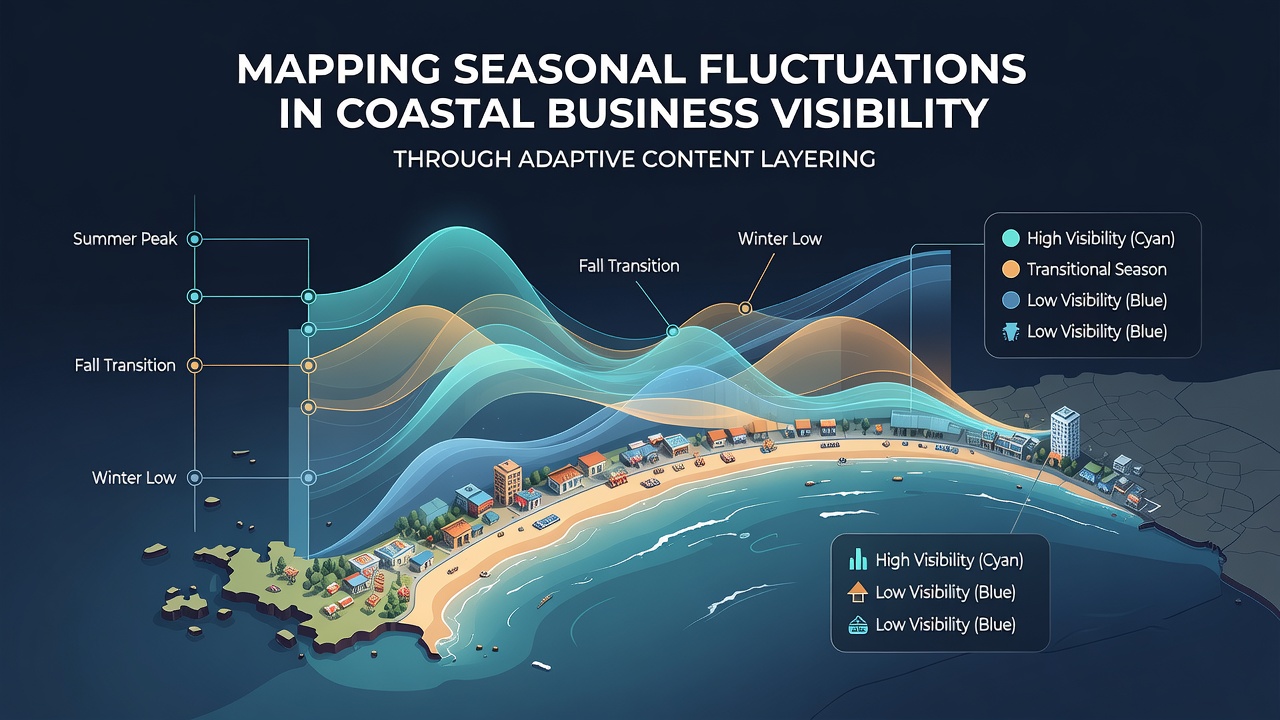
Coastal businesses experience pronounced shifts in online visibility that align with tidal patterns, weather cycles, and visitor migration, and adaptive content layering provides a structured method to track and respond to those changes. Researchers at institutions studying tourism data flows have documented how search rankings for hospitality and retail sites in shoreline zones rise during warmer months while dropping sharply once temperatures cool, and this pattern repeats annually across multiple regions. Data collected through search engine analytics platforms shows that queries containing terms like beach access or waterfront dining increase by measurable percentages from May through August in temperate zones, whereas autumn months bring queries focused on storm preparedness or off-season lodging deals.
Documenting Visibility Cycles with Layered Content Adjustments
Adaptive content layering operates by stacking modular text blocks, image sets, and metadata elements that activate according to calendar triggers and performance signals, allowing sites to present season-specific information without rebuilding entire pages. Observers tracking coastal domains note that businesses applying this technique maintain steadier organic traffic because the layered elements match user intent signals that fluctuate with daylight hours and precipitation records. According to reports compiled by the National Oceanic and Atmospheric Administration, sea surface temperature anomalies in September 2026 are projected to extend warm-water tourism windows along the eastern seaboard, which in turn extends the period when content layers promoting water sports and sunset tours can drive higher click-through rates.
Implementation begins with baseline audits that record keyword position histories across twelve consecutive months, after which teams overlay conditional rules that swap headings, alt attributes, and internal links when predefined thresholds are crossed. Those who have examined these workflows report that coastal operators in the Pacific Northwest achieve faster indexation of new layers when they coordinate publication dates with regional ferry schedule releases, creating natural backlink opportunities from transportation portals. The approach avoids abrupt overhauls by keeping core navigation fixed while rotating only the variable content blocks that address current seasonal demand.
Integrating External Data Sources into Layer Triggers
Mapping tools combine meteorological archives with web analytics to identify the precise weeks when visibility typically declines, enabling preemptive activation of alternative content layers. Figures released by the European Environment Agency illustrate how storm frequency data from the North Atlantic correlates with reduced dwell times on leisure-focused coastal pages during late autumn, prompting marketers to surface preparedness guides and indoor activity promotions instead. One study conducted by researchers at the University of British Columbia examined thirty shoreline retail sites and found that those employing timed content swaps retained 18 percent more monthly users during shoulder periods compared with static counterparts.
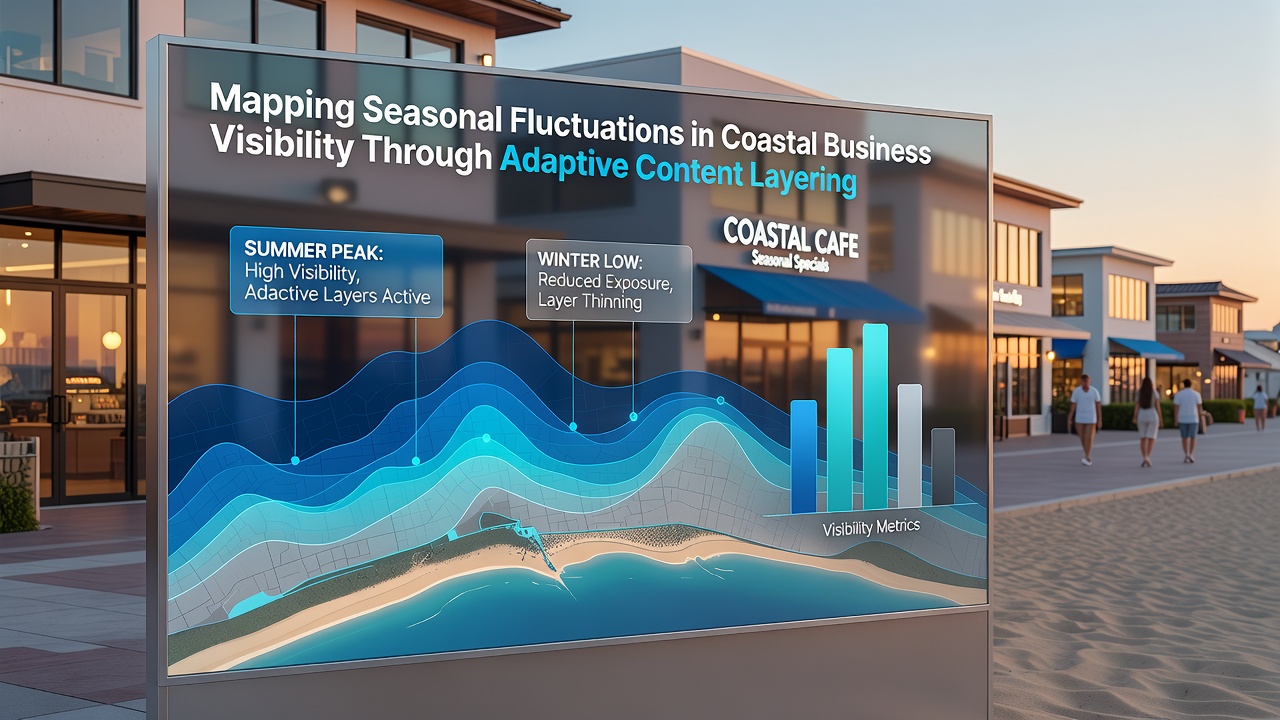
Technicians building these systems often embed scripts that pull live tide tables and pollen counts to refine layer priorities further, because those environmental variables influence what travelers actually type into search fields. The resulting maps display color-coded zones indicating which content modules performed best during prior equivalent seasons, giving operators clear guidance on which elements to emphasize when September 2026 approaches. Industry reports from Tourism Australia highlight similar patterns along the Great Barrier Reef coastline, where layered content that foregrounds diving conditions during peak summer months consistently outperforms generic pages.
Evaluating Performance Across Multiple Coastal Markets
Longitudinal analysis reveals that visibility gains from adaptive layering accumulate most reliably when businesses align layer changes with publicly available datasets rather than internal guesses. Canadian government tourism statistics, for instance, track monthly visitor arrivals to Atlantic provinces and show clear correlations between arrival spikes and improved rankings for accommodation pages that surface timely event listings. Teams applying these insights report smoother transitions between high and low seasons because the content remains relevant without requiring constant manual intervention. What's notable is that the same datasets also flag periods when educational content about marine conservation draws sustained engagement, allowing another content layer to activate automatically once leisure queries subside.
Technical setups frequently incorporate schema markup updates within each layer so that search engines receive fresh signals about current offerings, such as seasonal menus or guided tour availability. This practice keeps crawl budgets focused on updated sections while preserving historical content for users who arrive via evergreen queries. Observers examining Mediterranean coastal domains note parallel benefits when layers reference EU maritime safety bulletins, because those references improve topical authority during periods when weather concerns dominate search behavior.
Conclusion
Coastal enterprises that systematically map seasonal visibility fluctuations through adaptive content layering gain measurable stability in organic reach because the method aligns published material with documented shifts in user behavior and environmental conditions. Continued refinement of trigger rules based on September 2026 projections and subsequent seasons will further tighten the connection between data inputs and content outputs. Organizations maintaining these systems can expect sustained relevance across annual cycles as long as they continue incorporating verified external datasets into their layering logic.