Freya Schmitz · 29 September 2026
Coastal Businesses Time Digital Campaigns to Match Daily Tidal Shifts
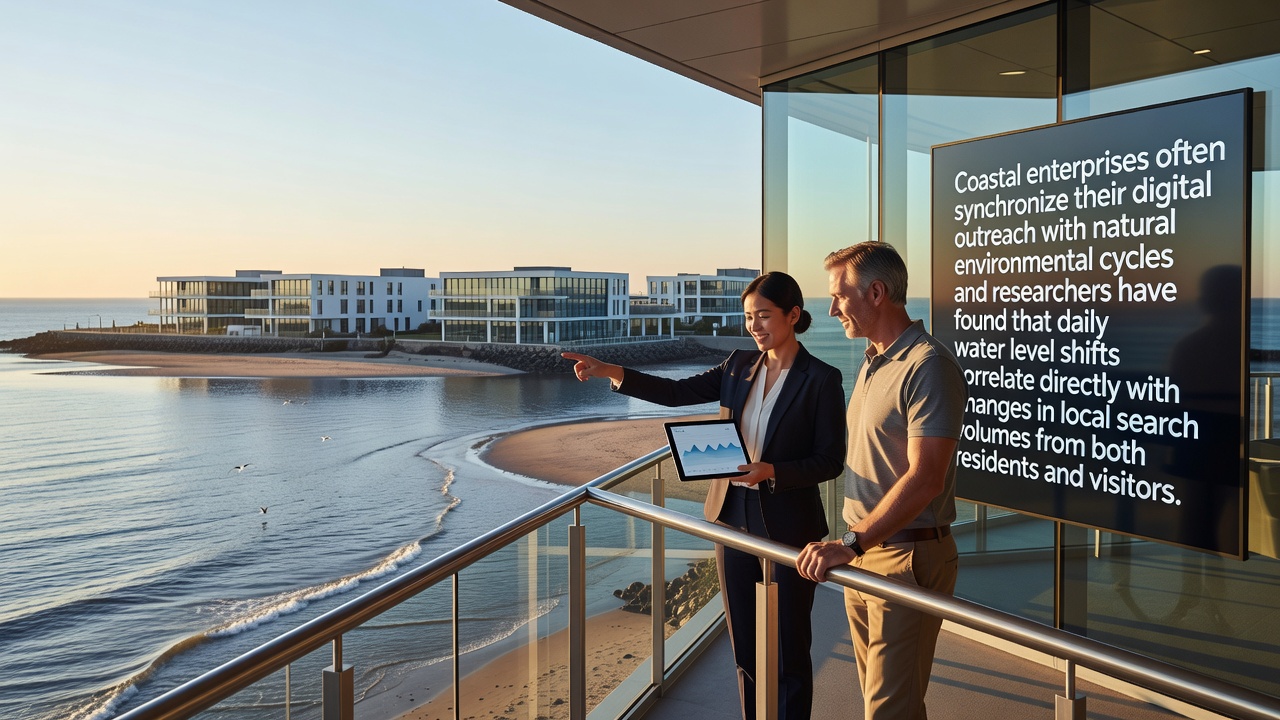
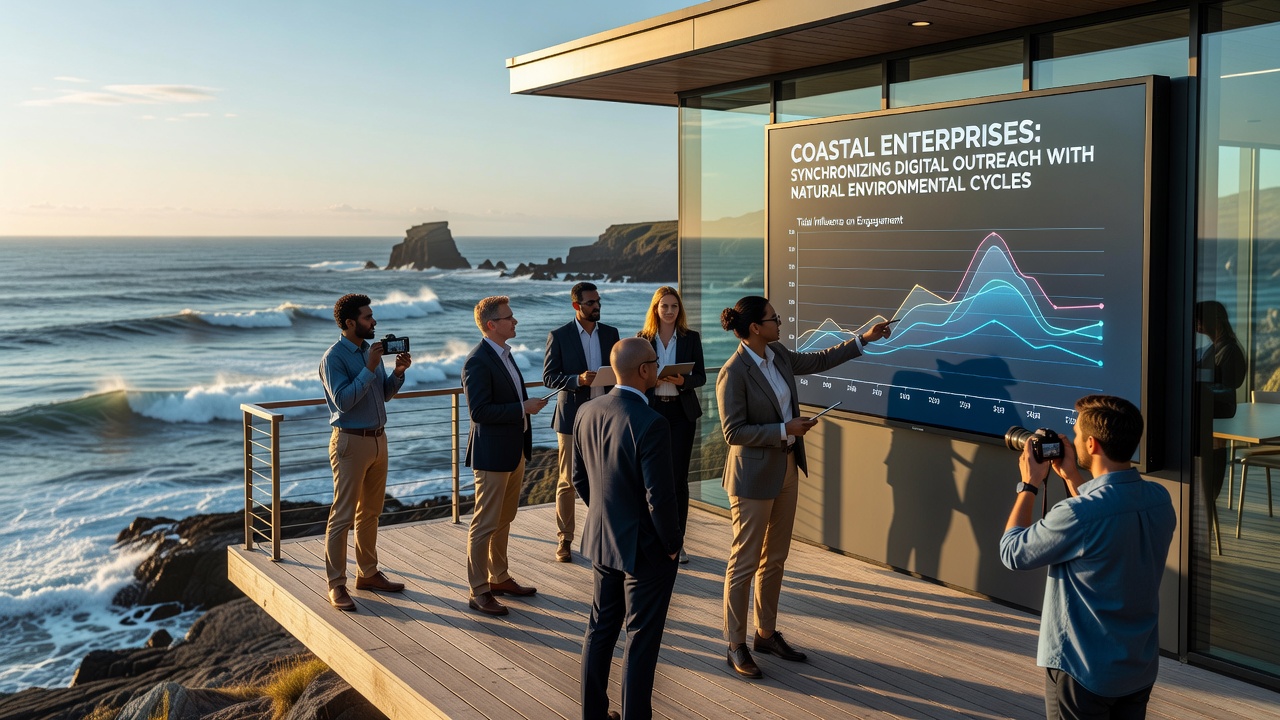
Coastal enterprises often synchronize their digital outreach with natural environmental cycles, and researchers have found that daily water level shifts correlate directly with changes in local search volumes from both residents and visitors. Data collected across multiple shorelines shows that queries for beach access, fishing charters, and water sports rise or fall in measurable patterns tied to tide tables published by government agencies. Businesses in these regions adjust ad schedules, social media posts, and website content to align with those predictable movements rather than fixed calendar dates.
Tidal Data Sources and Search Volume Patterns
National Oceanic and Atmospheric Administration records provide the baseline measurements that many marketing teams reference when planning campaigns. Studies conducted along the Atlantic and Pacific coasts indicate that searches for low-tide activities such as tide pooling or clam harvesting increase sharply during periods when water levels drop below average, while high-tide queries for surfing or kayak rentals peak when charts predict elevated conditions. These correlations appear in aggregated anonymized search data released by regional tourism boards and hold across different seasons.
Analysts tracking visitor behavior note that mobile searches from devices located within five miles of the shoreline show the strongest alignment with tide predictions. Desktop queries from inland areas follow similar but slightly delayed trends, suggesting that both local residents and planning visitors respond to the same environmental signals. The pattern repeats daily, with measurable spikes occurring within two hours of published tide changes.
Implementation Strategies Used by Shoreline Operators
Marketing teams at coastal hotels and tour operators upload new landing pages and email blasts timed to coincide with specific tide windows. One operator in the Pacific Northwest increased organic reach by posting short videos of exposed tide pools precisely when water levels reached their daily minimum, resulting in higher click-through rates compared with posts released at random times. Similar approaches appear in regions where seasonal tourism depends on accurate knowledge of water conditions.
Content calendars maintained by these enterprises include columns for predicted tide height, expected search categories, and corresponding keyword targets. Teams review historical performance metrics alongside tide charts to refine future placements, and several organizations now integrate automated alerts from tide-monitoring services directly into their content management systems. This integration allows posts to publish automatically when conditions match previously successful thresholds.
Evidence from Multiple Regions
Research teams at universities in Australia and Canada have published separate analyses confirming the same relationship between water levels and search interest. One report examined two years of data from the Great Barrier Reef area and found that queries for snorkeling tours rose 34 percent on days when high tide occurred during daylight hours. A parallel study along the British Columbia coast documented comparable increases in searches for whale-watching excursions when tide tables indicated calmer morning conditions.
European coastal destinations have adopted related practices, with tourism agencies in Portugal and Norway publishing tide-aware content calendars for their regional operators. Figures released by these agencies show that businesses using tide-synchronized posting schedules recorded steadier year-over-year traffic growth than those relying solely on weekend or holiday timing. The consistency across hemispheres suggests the underlying driver is environmental rather than cultural.
Planning for Periods Such as September 2026
Long-range tide forecasts already exist for September 2026, allowing enterprises to begin preliminary content mapping well in advance. Marketing platforms that integrate NOAA and equivalent international tide data enable teams to reserve ad inventory during windows when historical search volumes have proven highest. Observers note that businesses which began this level of preparation two seasons earlier maintained more stable booking rates during shoulder months compared with competitors using static calendars.
September typically features moderate tidal ranges in many temperate zones, creating opportunities for both low-tide and high-tide activities within the same day. Enterprises that segment their messaging accordingly report more balanced engagement across different visitor demographics, with families responding to exposed beach content and adventure seekers engaging with high-water posts.
Conclusion
The documented link between daily water level changes and local search behavior provides coastal enterprises with a measurable framework for timing their digital outreach. Government tide data combined with anonymized search metrics supplies the factual basis for these adjustments, and organizations across multiple continents have begun incorporating the information into routine campaign planning. As more teams adopt automated synchronization tools, the practice is expected to expand beyond early adopters into standard operating procedure for shoreline businesses.