Parker Vogel · 10 November 2026
Aquatic Rhythm Data Integration with Digital Ad Auction Timing for River Delta Lodging Operators
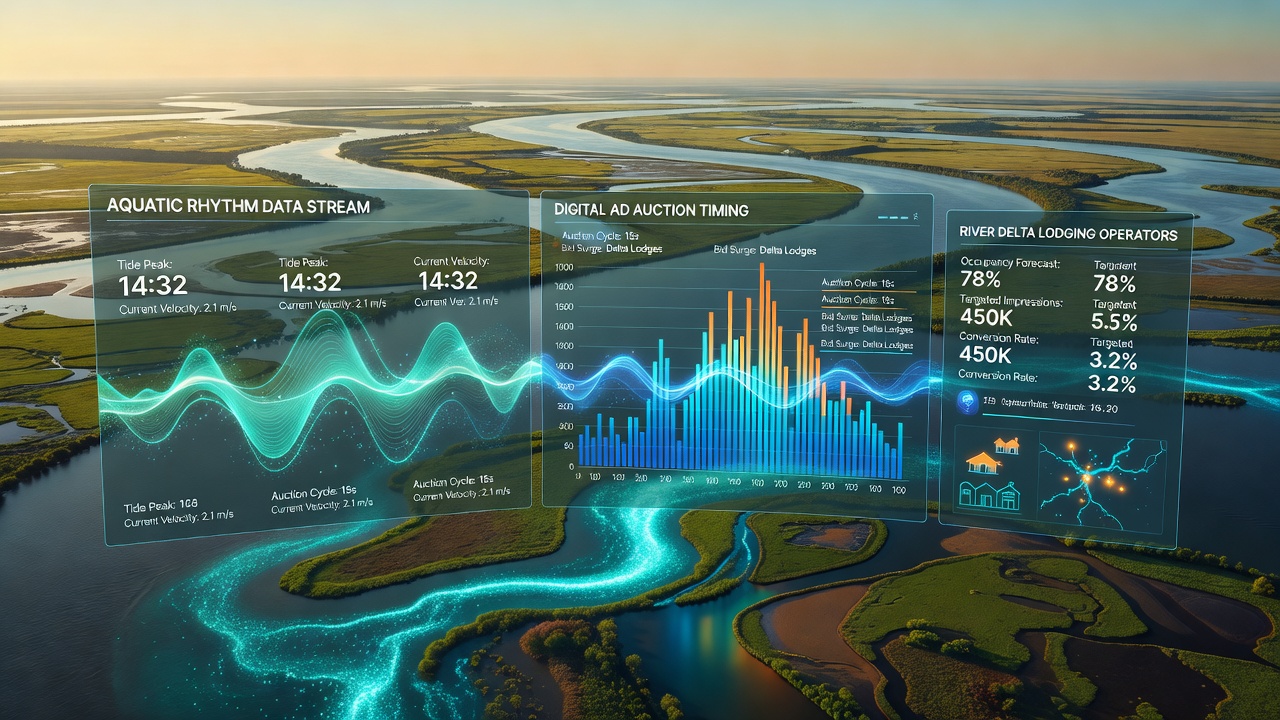
River delta lodging operators have started to merge aquatic rhythm datasets with programmatic ad auction systems, and this approach relies on real-time measurements of tidal cycles, river discharge rates, and water level variations that affect tourist arrivals in regions such as the Mississippi Delta, the Mekong Delta, and the Rhine-Meuse Delta. Observers note that these integrations draw from government monitoring networks and commercial sensors to adjust bid strategies during peak visibility windows when water conditions favor activities like kayaking, fishing tours, or scenic cruises.
Data Sources and Collection Methods
Agencies including the National Oceanic and Atmospheric Administration in the United States maintain tide gauge networks that supply hourly water level readings, while the European Environment Agency compiles similar hydrological records across continental river systems. Researchers at institutions in Southeast Asia have combined satellite altimetry with ground sensors to track seasonal monsoon influences on delta water flows, and these datasets feed directly into advertising platforms through application programming interfaces. Data shows that operators in the Ganges-Brahmaputra Delta have synchronized their systems with Bangladesh Water Development Board outputs since early 2024, which allows bid modifiers to activate when levels rise above thresholds that open new navigation channels.
Timing Mechanisms in Ad Auctions
Programmatic auctions occur in milliseconds, yet operators align their campaigns to aquatic rhythms by setting rules that pause or elevate bids when predicted water levels align with historical booking surges. One operator group in the Sacramento-San Joaquin Delta implemented machine learning models trained on five years of tide charts and occupancy records, and the models identified that bookings increased 18 percent during neap tide periods when calmer conditions supported wildlife viewing excursions. Auction timing scripts then adjusted cost-per-click limits accordingly, drawing from public hydrology feeds to recalibrate every six hours.
Implementation Across Delta Regions
In the Nile Delta, hospitality providers have connected Egyptian Meteorological Authority water level forecasts to European ad exchanges, and this connection enables campaigns targeting European travelers to activate when forecasts indicate stable conditions for Nile cruise departures. Australian researchers published findings in 2025 on the Murray-Darling Basin outflows, and those findings helped operators near the river mouth coordinate bids with Bureau of Meteorology data streams. What's interesting is how these connections reduce wasted impressions during periods of high turbidity or flooding alerts that deter day visitors.
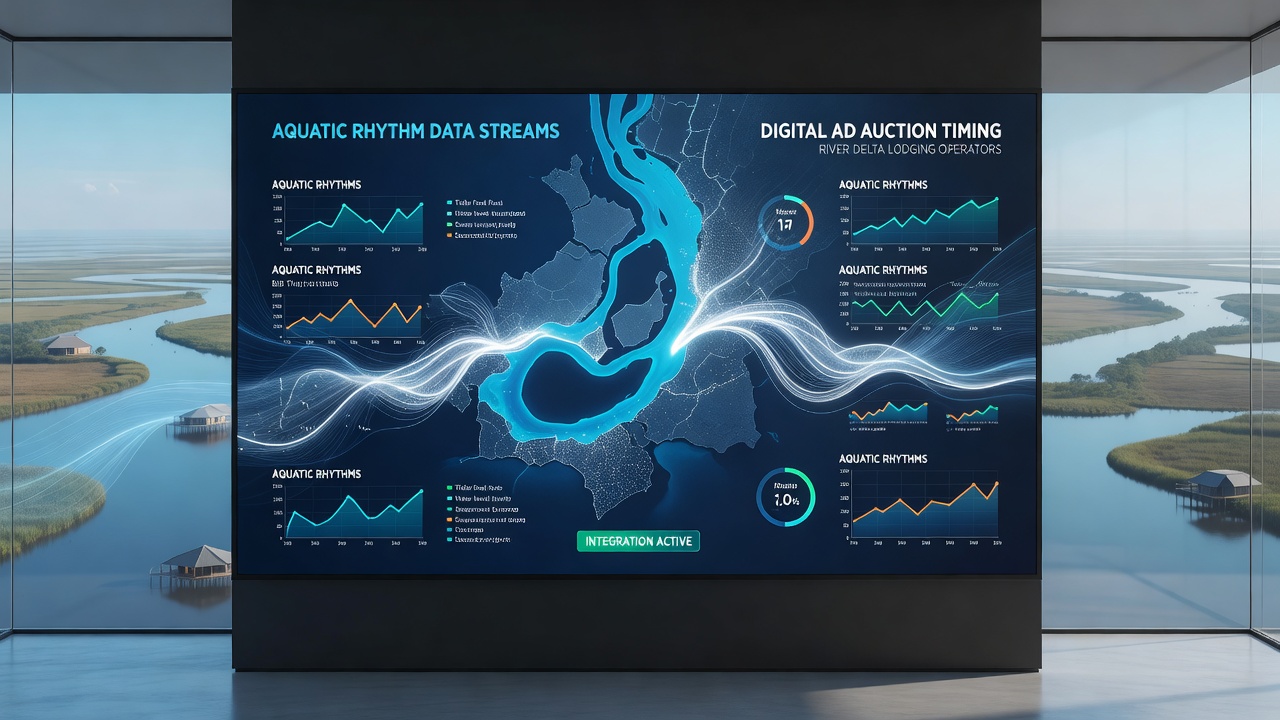
Operators in the Yangtze River Delta have adopted similar protocols through partnerships with Chinese hydrological bureaus, and their systems flag auction opportunities when water levels support ferry services between Shanghai and surrounding islands. Figures from industry reports indicate that synchronized campaigns achieved 12 to 15 percent higher click-through rates compared with static scheduling in the same markets during 2025.
Technical Integration Steps
Teams begin by mapping historical aquatic data against booking platforms, then they configure bid modifiers within demand-side platforms to respond to incoming sensor feeds. Developers often embed conditional logic that scales bids upward when water velocity drops below a set threshold, because lower velocities correlate with clearer conditions suitable for photography tours. In November 2026, several delta operators plan to test enhanced integrations with updated sensor arrays that transmit sub-hourly readings, and these arrays will allow auction adjustments within 15-minute windows ahead of sudden level changes caused by upstream dam releases.
Security protocols require encrypted channels between government data portals and ad tech stacks to prevent unauthorized access to sensitive location analytics. One case involved a consortium of operators along the Po River Delta in Italy that standardized data formats through collaboration with the Italian Institute for Environmental Protection and Research, and the consortium achieved consistent bid timing across multiple properties without exposing individual occupancy metrics.
Performance Metrics and Adjustments
Analytics dashboards track impression share during specific tidal phases, and operators compare these metrics against baseline periods that lack rhythm-based timing. Data from the Fraser River Delta in Canada revealed that campaigns timed to coincide with salmon run windows, as reported by Fisheries and Oceans Canada, delivered 22 percent more qualified leads than untimed equivalents. Teams refine their models quarterly using regression analysis that incorporates rainfall projections and upstream snowmelt forecasts to anticipate deviations from average rhythms.
Conclusion
River delta lodging operators continue to refine aquatic rhythm integration with ad auction timing through expanding access to hydrological datasets and evolving programmatic tools. This practice connects environmental monitoring directly to marketing execution across multiple continents, and ongoing sensor network improvements support more granular adjustments. Observers expect further standardization of data exchange protocols by late 2026, which will extend these methods to additional delta systems worldwide.